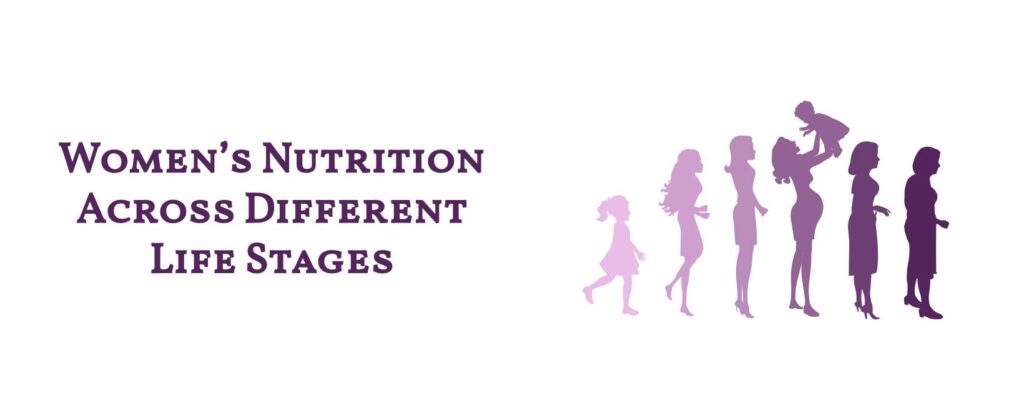
A woman’s nutritional needs change throughout her life. From the teenage years to pregnancy and menopause, the body requires different vitamins, minerals and foods to support hormones, bone strength, energy and overall wellbeing. Many women are unaware of these changes which leads to fatigue, mood changes, skin concerns and nutrient deficiencies that can be prevented with simple adjustments.
This guide explains what the body needs at each stage and how you can support your health through nourishing choices
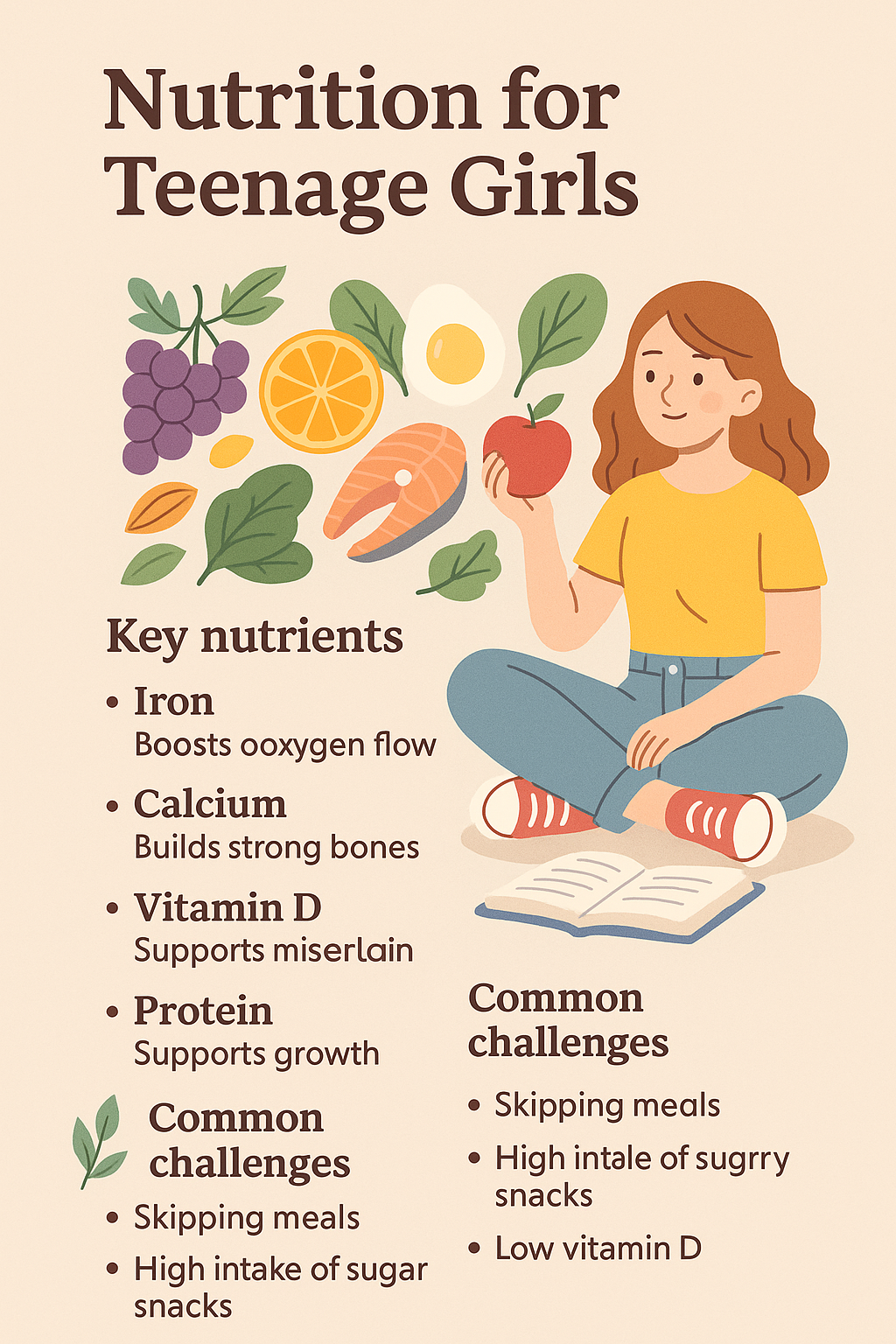
Nutrition for Teenage Girls
The teenage years involve rapid growth, hormonal shifts and higher nutrient demands.Key nutrients
- Iron
Supports oxygen flow and prevents fatigue
- Calcium
Builds strong bones that protect long term health
- Vitamin D
Supports bone strength and menstrual cycle regulation
- Protein
Supports muscle development and stable energy
Common challenges
- Skipping meals
- High intake of sugary snacks
- Low iron due to menstruation
- Low vitamin D due to indoor lifestyle
A simple improvement is adding more fruits, vegetables, eggs, yogurt, nuts and whole grains.
Nutrition During the Reproductive Years
Women in their twenties to forties often deal with busy schedules, stress and hormonal changes.
Important nutrients
- B vitamins
Support energy, skin health and emotional balance
- Omega 3 fats
Reduce inflammation and support mood
- Iron
Essential for women with regular menstrual cycles
- Folate
Important for fertility and overall cell health
Lifestyle habits that help
- Regular meals to support blood sugar
- Hydration
- Enough sleep to support hormone balance
- High fiber foods for digestion and gut health

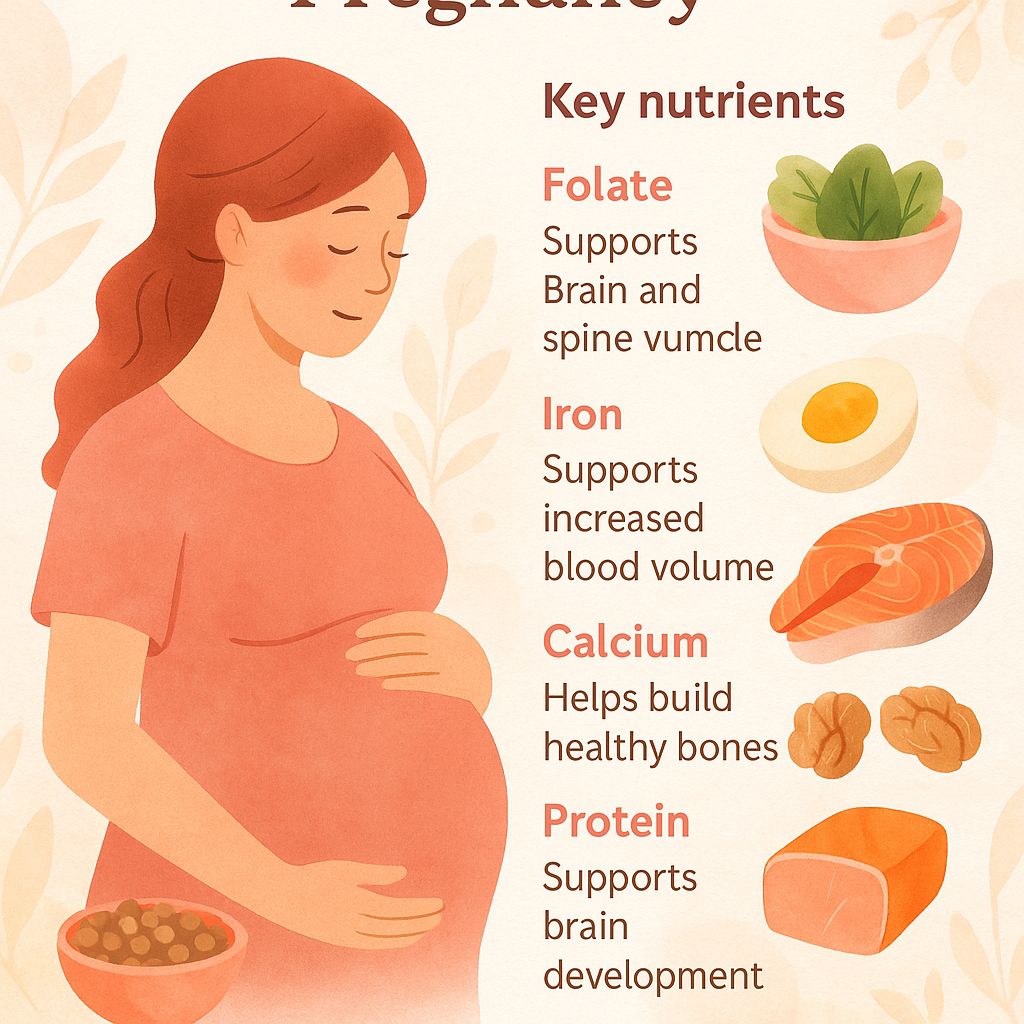
Nutrition During Pregnancy
Pregnancy increases the need for almost every nutrient because the body is supporting both mother and baby.Key nutrients
- Folate
Supports brain and spine development
- Iron
Supports increased blood volume
- Calcium
Helps build healthy bones for the baby
- Protein
Supports growth and tissue repair
- DHA
Supports brain development
Women should focus on whole foods such as eggs, lentils, leafy greens, yogurt, nuts, fish and fortified foods.
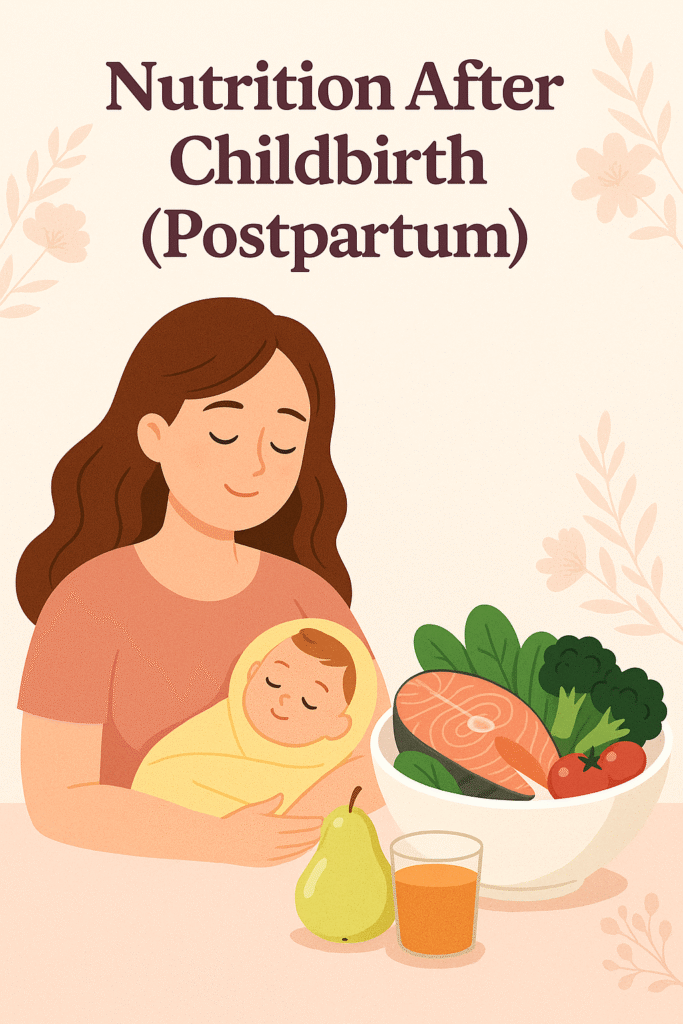
Nutrition After Childbirth
Postpartum recovery requires rebuilding nutrient stores and supporting emotional wellbeing.Important nutrients
- Iron
Replenishes levels after childbirth
- Protein
Supports tissue healing
- Omega 3 fats
Help with mood balance
- Calcium and vitamin D
Support bone health especially if breastfeeding
Hydration and regular meals can help stabilise energy and support milk production.
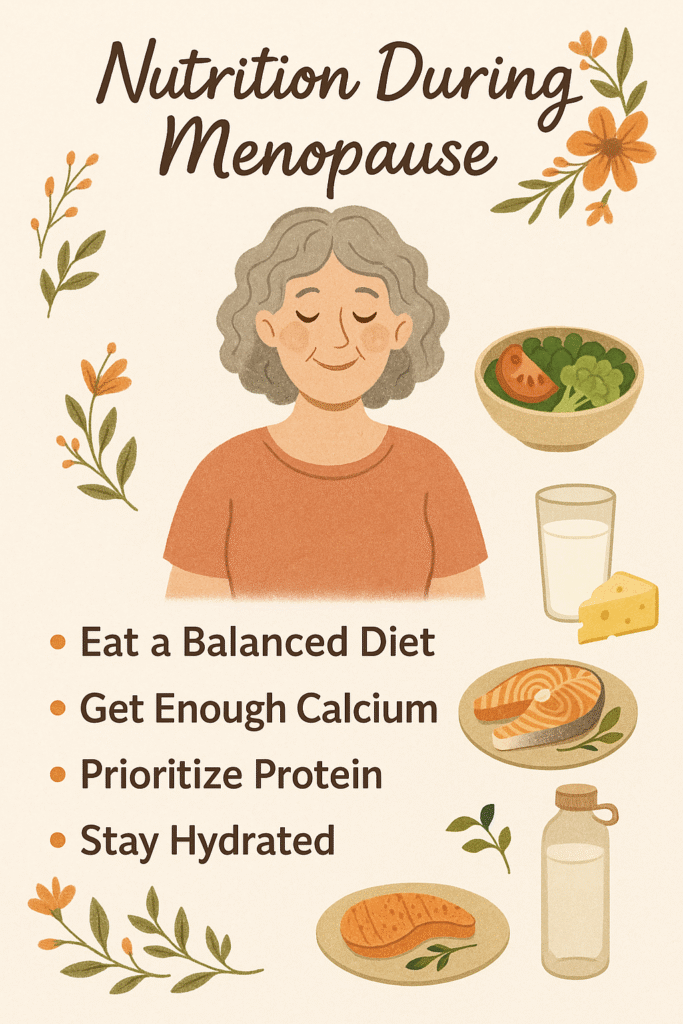
Nutrition During Menopause
Menopause brings hormonal changes that affect bones, weight, mood and heart health.Key nutrients
- Calcium
Supports strong bones
- Vitamin D
Improves absorption of calcium
- Magnesium
Supports sleep and relaxation
- Omega 3 fats
Support heart health and reduce inflammation
- Protein
Helps maintain muscle mass
Helpful habits
- Eating smaller balanced meals
- Reducing added sugars
- Increasing fiber
- Staying active
- Adding sources of phytoestrogens such as flaxseeds and soy
Takeaway
A woman’s nutritional needs shift with every major life stage. When you understand what your body needs, it becomes easier to support steady energy, strong bones, balanced hormones and long term wellbeing. Simple daily habits and nutrient rich foods make a powerful difference in how you feel throughout each stage of life.